Plate I · The Stones
What Makes a Sapphire a Ceylon Sapphire
The name describes an origin, but what buyers are actually paying for is a particular kind of lightness that has nothing to do with geography.
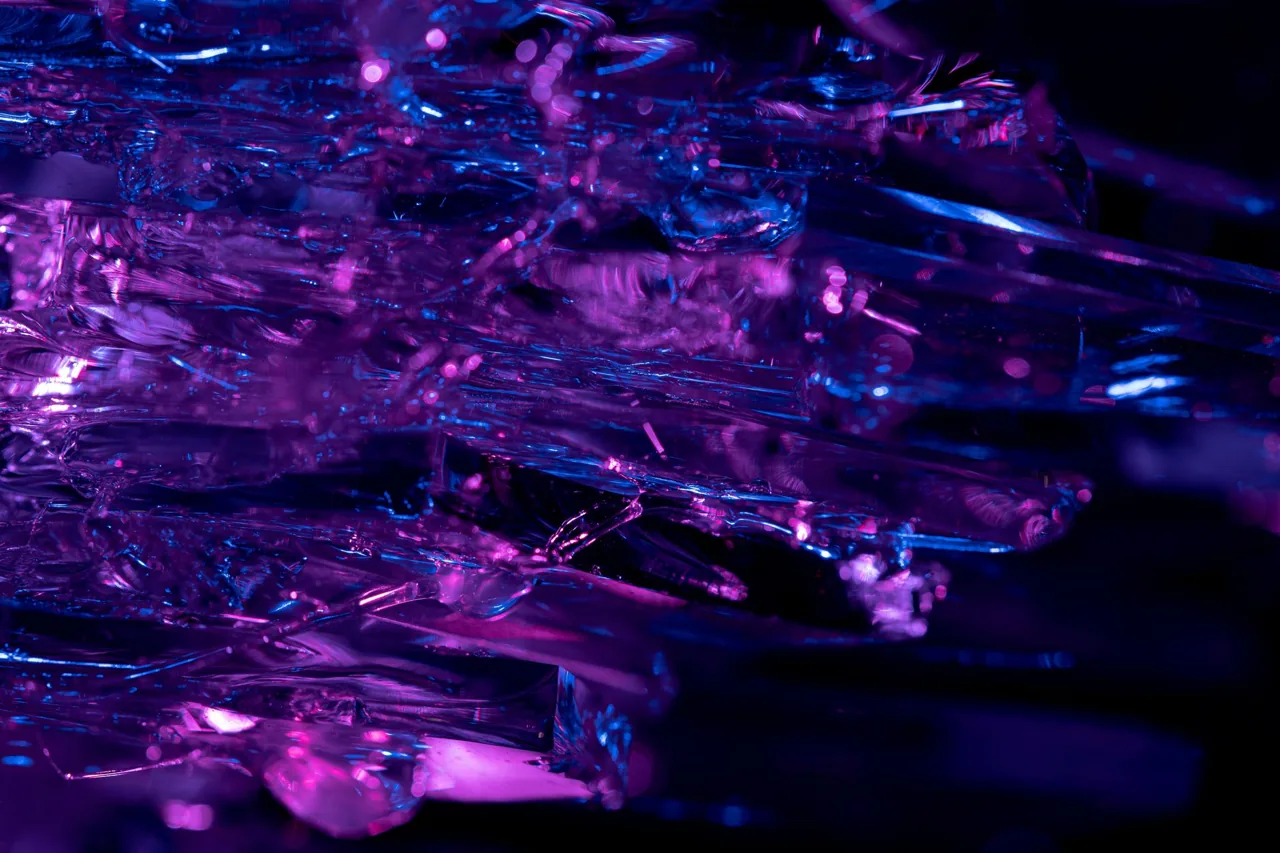
The name is a place and a colour at the same time
Ceylon is the old name for Sri Lanka, and a Ceylon sapphire is, strictly, a sapphire from the gravels around Ratnapura and Elahera. In practice the trade uses the term to mean a particular look: lighter than a Burmese or Kashmir stone, brighter, with a cornflower or pale steel blue rather than the deep velvet ink people picture when they hear the word sapphire.
Both things are true at once, which is why the term causes so much confusion. A stone can be geographically Ceylon and look nothing like the trade meaning, and a Madagascan stone can look exactly like it.
Why the island produces light stones
Sri Lankan sapphire comes largely from alluvial gravels rather than from hard rock, which is unusual. The stones have been weathered out of their host and tumbled through river systems for a very long time, and what survives that journey is material without significant fractures.
The lightness is a matter of iron content. Sapphire is corundum coloured by traces of iron and titanium, and Sri Lankan material tends to carry less iron than Southeast Asian material. Less iron means a lighter, more open blue that holds its colour under electric light instead of going black the way a heavily saturated stone can.
That behaviour under artificial light is the thing that actually sells them, and it is rarely explained. A pale stone that still reads blue at a dinner table is more useful than a magnificent dark one that only works in daylight.
Padparadscha, the exception worth knowing
The island also produces padparadscha, a pink-orange sapphire named after a lotus blossom, and it is one of the few gem varieties where the definition is genuinely contested. Some laboratories will only certify a stone as padparadscha if both pink and orange are present in a narrow band of proportions. Others are looser.
The consequence is real money. The same stone can carry the name from one lab and not from another, and the name is worth a multiple of the colour. If you are ever buying one, the certificate matters more than the stone in a way that feels absurd and is nonetheless how the market works.
What to look at rather than what to ask
Ask about origin and you will get an answer. Look at the stone under two light sources and you will get information. Take it to a window and then to a lamp, and watch whether the blue survives both.
Look for extinction, the dark zones that appear as you rock the stone. A well-cut sapphire has small, even extinction. A badly cut one has a dead centre, and that is a cutting decision made to keep weight, not a property of the material.
the GIA gem encyclopedia is the reference worth reading before spending anything, and it is free.
Ishara Wijesinghe · 9 January 2026