
Plate X · Meaning & Use
Caring for a Strand Without Ruining It
Most damage to bead strands is done by cleaning them, storing them and wearing them in that order, and all three are avoidable.
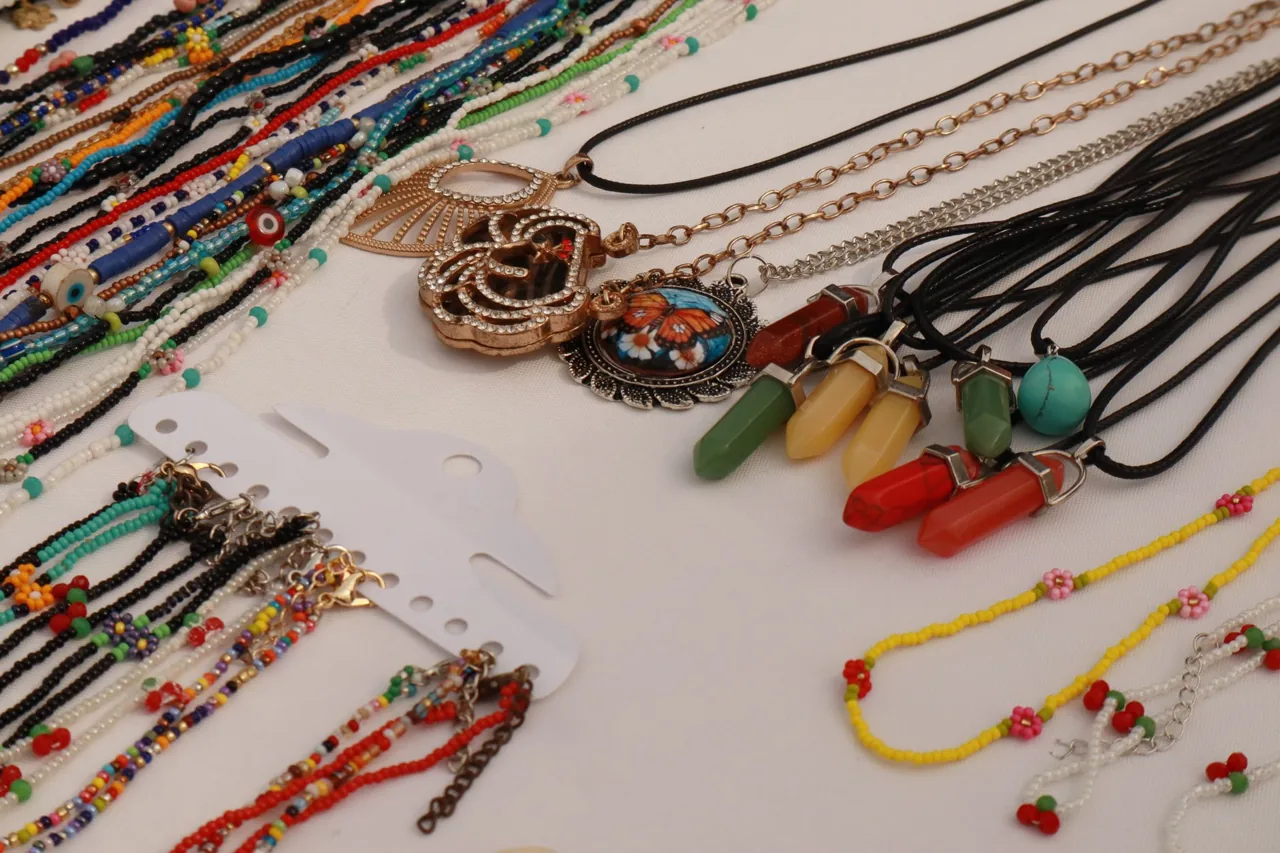
The thread fails long before the stones do
A strand almost never fails because a bead breaks. It fails because the thread, which is usually silk or a nylon monofilament, stretches, abrades where it passes through the drill holes and eventually parts.
Silk is traditional and it is genuinely better for the stones, because it is soft and it knots between beads so a break loses one bead rather than a hundred. It also stretches and absorbs moisture, so it needs replacing. Nylon lasts longer and is harder on drill holes.
Restring anything worn weekly every eighteen months to two years. The tell is the strand getting visibly longer and the beads no longer sitting snug against each other.
Cleaning, and the three things that destroy stones
Ultrasonic cleaners drive vibration into every internal fracture and cleavage plane in a stone. They are fine for a clean sapphire and catastrophic for emerald, opal, moonstone, turquoise and anything glued, filled or composite. On a strand they also attack the thread.
Steam does the same thing with heat added. Chemical jewellery dips are formulated for metal and will strip the polish off porous material and dissolve some of it outright.
The correct method for essentially every bead strand is lukewarm water, a drop of plain soap, a soft brush at the drill holes, and lying flat on a towel to dry. Never hang a wet strand to dry, because the weight of the wet beads stretches the thread precisely when it is at its weakest.
Porous stones need different rules
Turquoise, amber, pearl, coral, opal and lapis are all porous or organic to some degree, and they absorb what they are exposed to. Perfume, hairspray, sun cream and hand sanitiser all leave permanent marks, and the marks appear months later so the cause is rarely identified.
The rule is last on, first off. Put jewellery on after everything else and take it off before anything else, and the great majority of this problem simply does not occur.
Amber and pearl also dislike prolonged dryness and will craze in a hot car or on a sunny windowsill. Neither is a good place to keep anything.
Storing without scratching
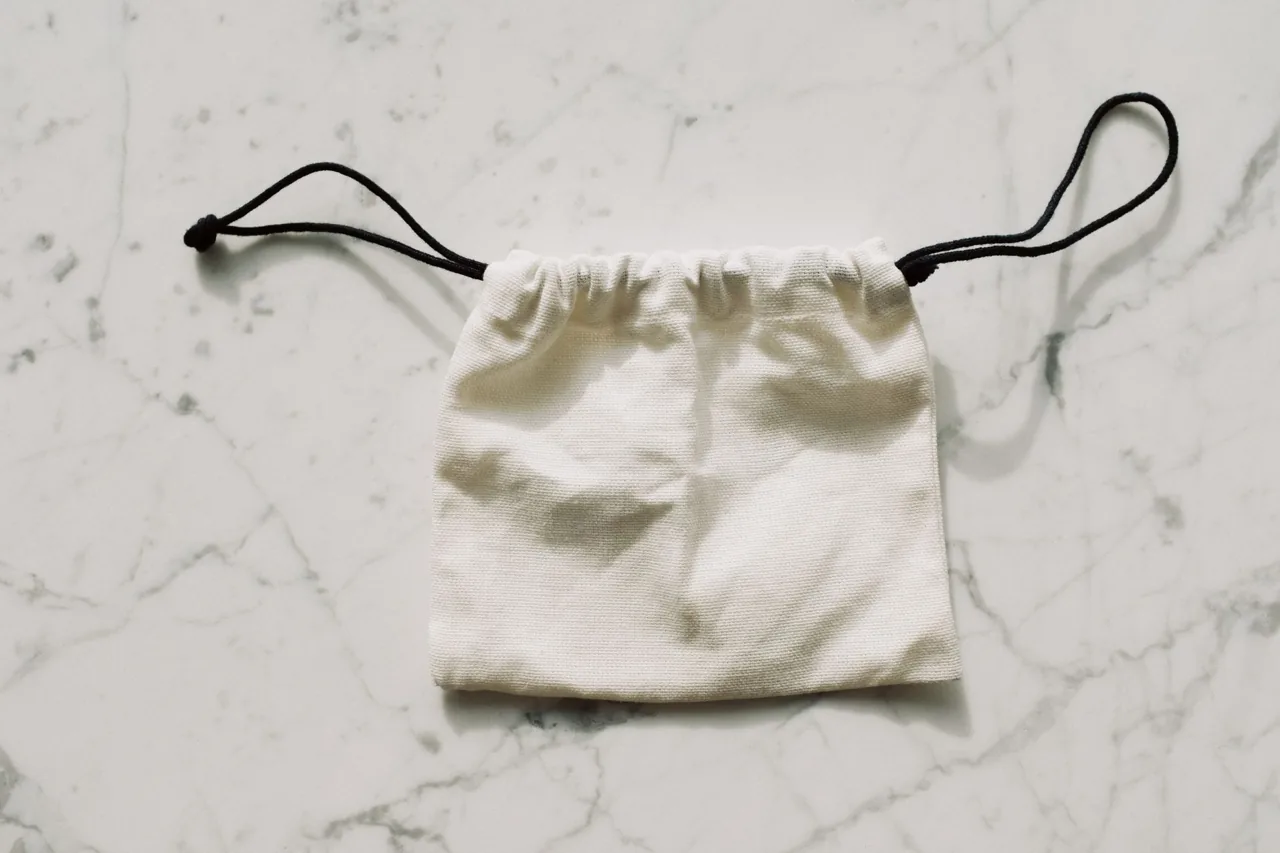
Stones scratch each other according to the Mohs scale, and a drawer with everything in it is a drawer where the topaz is quietly ruining the moonstone. Individual soft pouches solve this completely and cost very little.
Store strands flat or loosely coiled rather than hanging. A hanging strand is under constant tension at the clasp end for years, which is exactly where it will fail.
And keep them out of direct light. Amethyst, rose quartz, kunzite and topaz all fade with prolonged sun exposure, some of them dramatically. A strand kept on a sunny windowsill because it looks good there will not look good there in three years.
Ishara Wijesinghe · 15 May 2026