Plate IV · The Stones
Garnet Is Not One Stone
It is a family of at least six minerals that share a crystal structure and almost nothing else, including the colour everyone thinks of.
A structure, not a substance
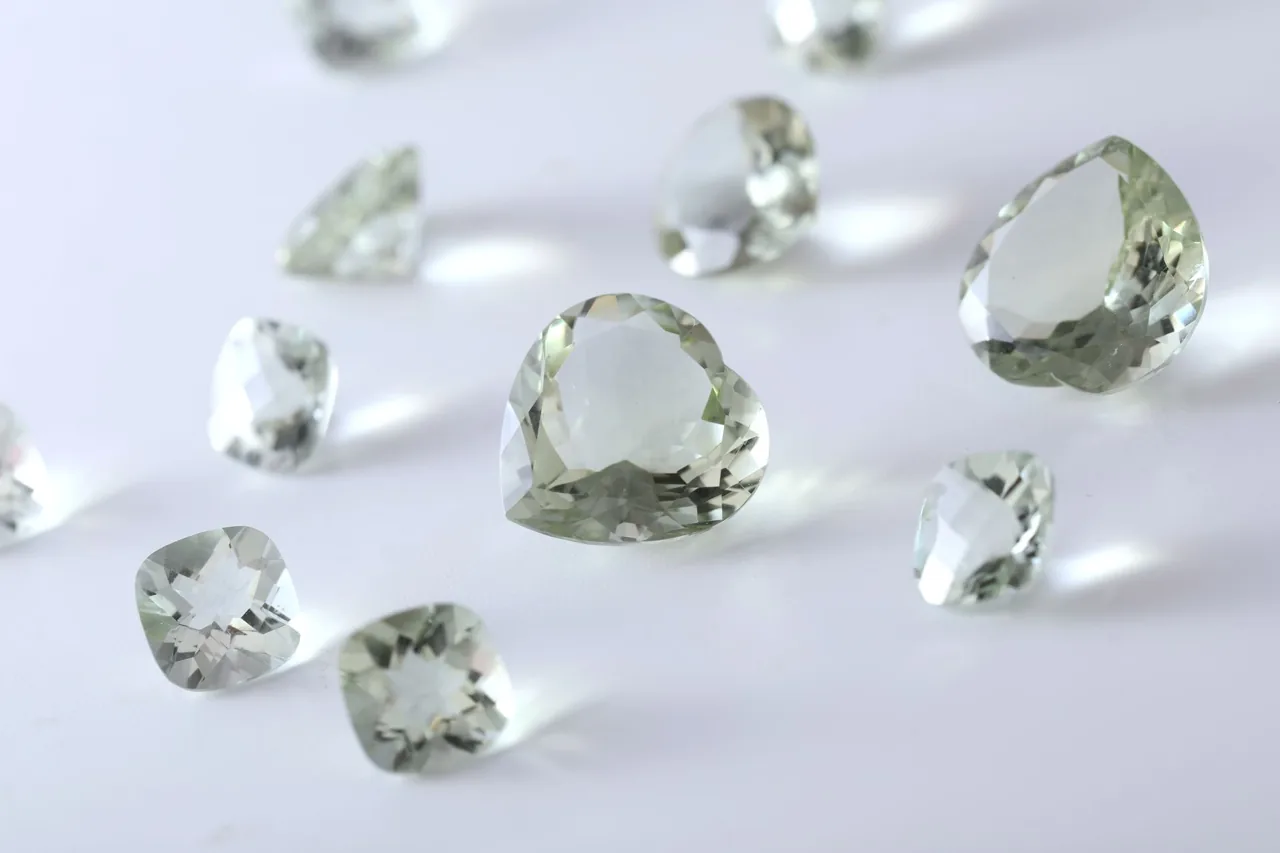
Garnet is a group name. The members share a cubic crystal structure and a general chemical formula, and they differ in which metals fill the slots. Change the metal and you change the colour, the hardness, the refractive index and the price.
This is why the January birthstone is described as dark red when garnet is also green, orange, pink, purple and colourless. The dark red one, almandine, is simply the cheapest and most common member, so it became the face of the family.
The ones worth knowing by name
Tsavorite is a green grossular garnet from Kenya and Tanzania, and a fine one competes with emerald on colour while being tougher and free of the oil treatments that complicate emerald buying. It is genuinely rare and priced like it.
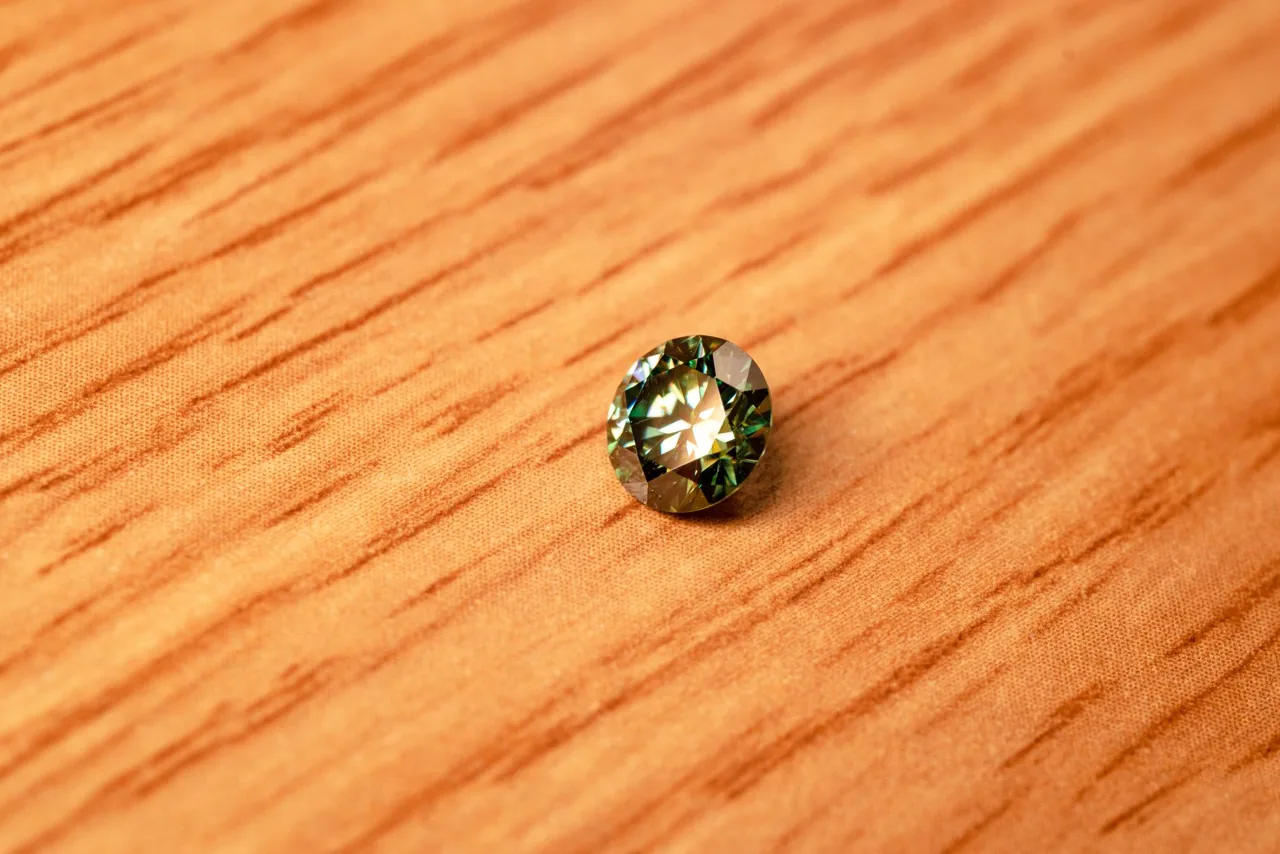
Demantoid is an andradite garnet with a dispersion higher than diamond, meaning it throws more spectral fire. Russian material often contains horsetail inclusions of chrysotile fibres, which are considered desirable rather than a fault, which is unusual in gemmology.
Spessartine runs from orange to a vivid mandarin, and Rhodolite is a purplish pink that sits between almandine and pyrope. Both are affordable and both look nothing like the January stone in a school textbook.
Why the family is a good place to buy
Garnets are not routinely treated. There is no standard heat treatment, no fracture filling, no diffusion. What you are looking at is what came out of the ground, which is a rarer situation than most buyers realise.
They are also hard enough for daily wear, between six and a half and seven and a half depending on the species, and the material is generally clean. For anyone who wants a coloured stone without a certificate and an anxiety, garnet is the sensible answer.
Geology.com has good comparative material on the individual species if you want to go further than the family name.
What the name does to the price
The interesting economics here are entirely about naming. Tsavorite sells for many times the price of an identical-looking green grossular that has not been given a trade name, and demantoid outsells andradite for the same reason.
This cuts both ways for a buyer. Ask for garnet and you will be shown almandine. Ask for a colour and a hardness and you may find something considerably more interesting for the same money, because you have stepped outside the names the market is pricing.
Ishara Wijesinghe · 20 February 2026
Plate V — How a Cabochon Is Cut, and Why It Is the Older Art