
Plate VII · Cutting & Craft
Heat Treatment and the Honesty Question
Most coloured stones on the market have been heated. That is not a scandal, and the reason it is not is worth understanding properly.
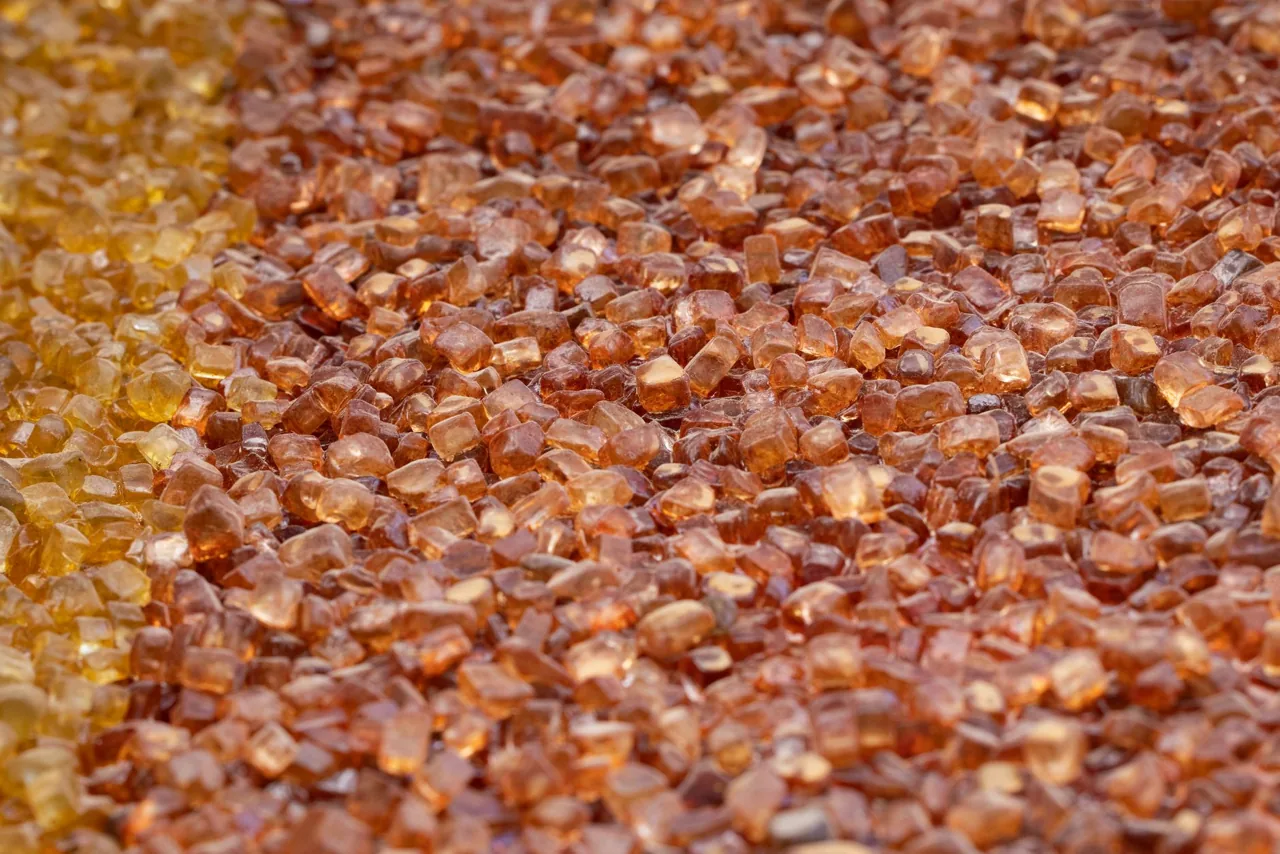
What heating does
Heating a stone to somewhere between eight hundred and eighteen hundred degrees rearranges trace elements and dissolves microscopic inclusions. In corundum it can turn a milky, silk-filled stone into a clear one, and it can shift a pale or greyish blue into a saturated one.
The change is permanent and it is not a coating. Nothing has been added. The stone is chemically what it was, with its internal structure reorganised, which is why the trade treats it as acceptable in a way it does not treat filling or diffusion.
The scale of it
Something in the region of ninety-five per cent of sapphire and ruby on the market has been heated. Aquamarine is routinely heated to remove green. Tanzanite is essentially always heated, because unheated material is brown and nobody wants it.
An unheated stone with a good colour is therefore rare and carries a substantial premium, certified by a laboratory. The premium is for the rarity of the natural occurrence, not for any visible superiority, and an unheated stone and a heated stone of the same appearance are indistinguishable to the eye by definition.
The treatments that are a different matter
Fracture filling with lead glass takes badly fractured ruby that would otherwise be industrial waste and makes it saleable. The glass is visible under magnification as flash effects, it can be damaged by ordinary jewellery repair, and the stone is not durable in any normal sense.
Beryllium diffusion drives an element into the surface layer at high temperature, producing colour that is only skin deep. Recut the stone and the colour can go with it.
Dyeing and oiling are common in emerald and in porous materials like turquoise and jade. Oiled emerald is accepted practice and disclosed; dyed material sold as natural is not.
The line the trade draws is roughly this: treatments that are stable, permanent and industry-standard should be disclosed and are fine. Treatments that change what the stone fundamentally is, or that will not survive normal wear, are a different product and must be named.
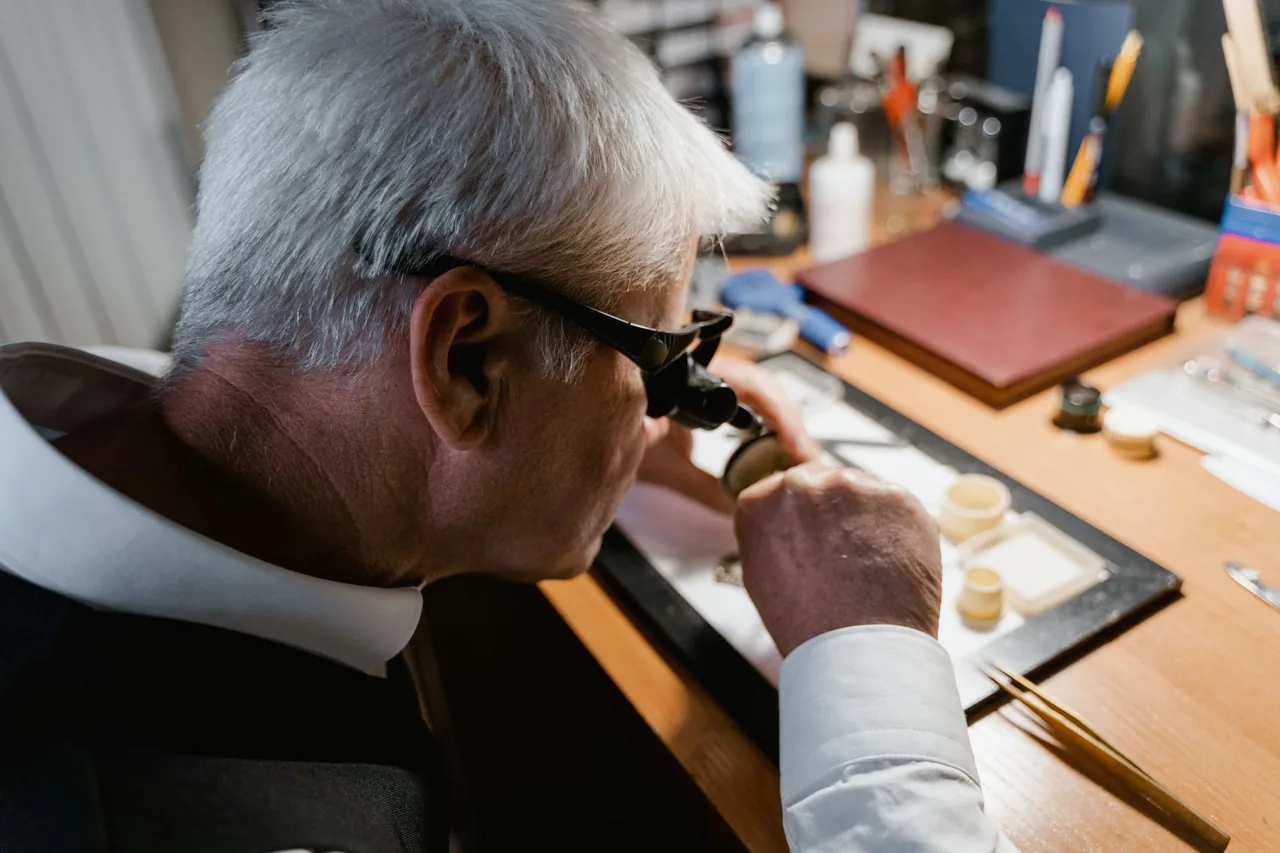
What to actually ask
The useful question is not whether a stone has been treated. It is what treatment, whether it is stable, and how to care for it. A vendor who answers those three clearly is a vendor worth buying from regardless of the answers.
For anything above a few hundred pounds, a report from a recognised laboratory is the only real protection, and it should state treatment status explicitly rather than being silent on it. Silence is not the same as none.
the GIA gem encyclopedia maintains public treatment descriptions for every major species, and reading the entry for whatever you are about to buy takes about four minutes.
Ishara Wijesinghe · 3 April 2026
Plate VIII — The Birthstone Calendar Is a Marketing Document