
Plate VIII · Meaning & Use
The Birthstone Calendar Is a Marketing Document
The modern list was fixed by a jewellers trade association in 1912 and has been amended for commercial reasons since. The older lists are more interesting.
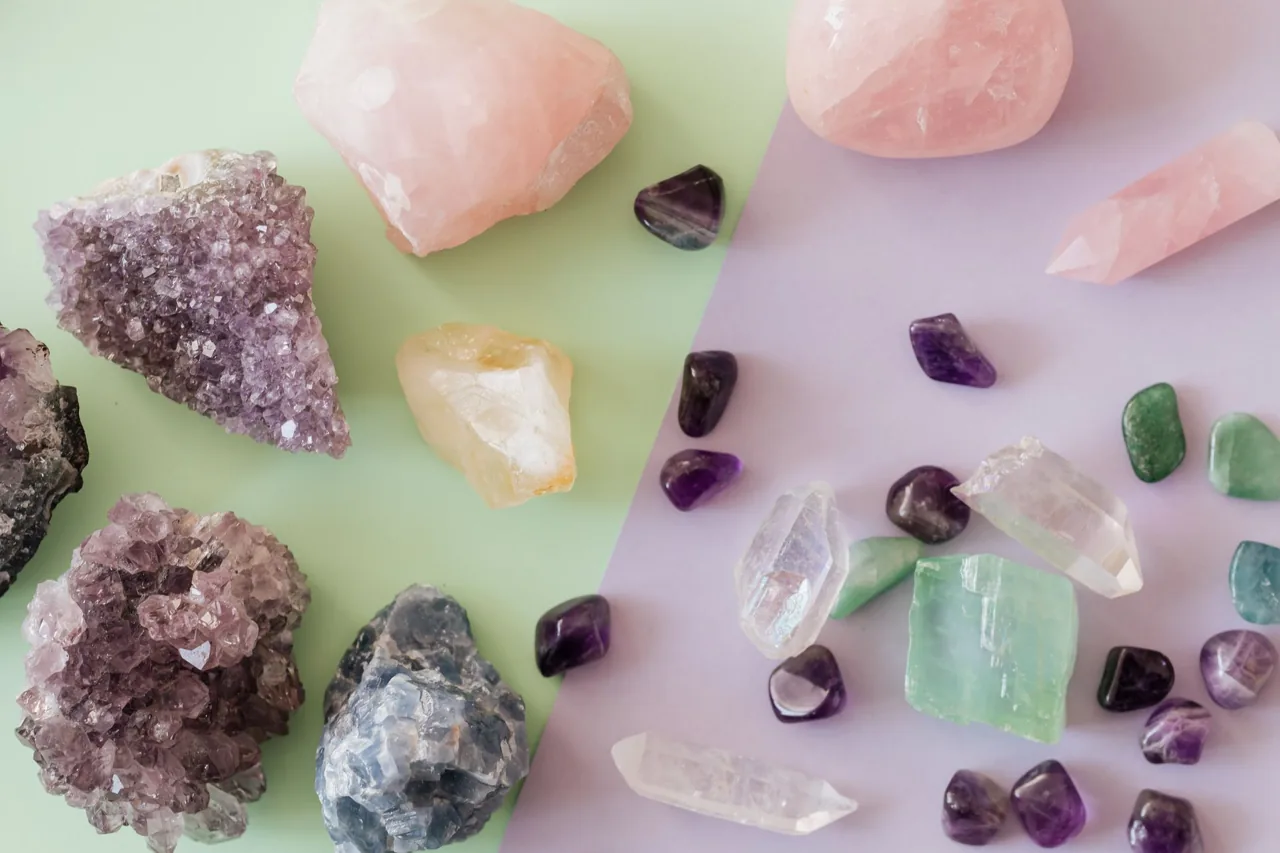
Where the modern list came from
The list most people know was standardised by the National Association of Jewelers in the United States in 1912. It has been revised several times since, most notably in 1952 and again in 2002 and 2016, each time adding a stone.
The additions follow supply. Tanzanite was added to December in 2002, twenty-five years after it was discovered and while a single mine controlled the entire world supply. Spinel was added to August in 2016. These are not ancient traditions being recovered; they are inventory being placed.
The older lists disagree with each other
The idea of associating stones with months has genuine antiquity, usually traced to the breastplate of Aaron in Exodus, which lists twelve stones for twelve tribes. The trouble is that nobody knows what most of those stones were. The Hebrew names do not map cleanly onto modern mineralogy, and translations have guessed differently for two thousand years.
Medieval European lists, Hindu lists and Polish traditions all differ from the modern one and from each other. Sapphire is April in some, September in others. The stone assigned to a month has never been stable, which rather undermines the notion that any particular assignment carries meaning.
None of this makes the tradition worthless. It makes it a tradition rather than a fact, which is a more interesting thing to own.
Meaning as a real practice rather than a chart
The systems that actually function are the ones where the stone is chosen for a purpose rather than a date. Ayurvedic and Jyotish practice assigns stones to planetary influences and to the specific chart of the person wearing them, which at least has an internal logic and requires someone to think about the individual.
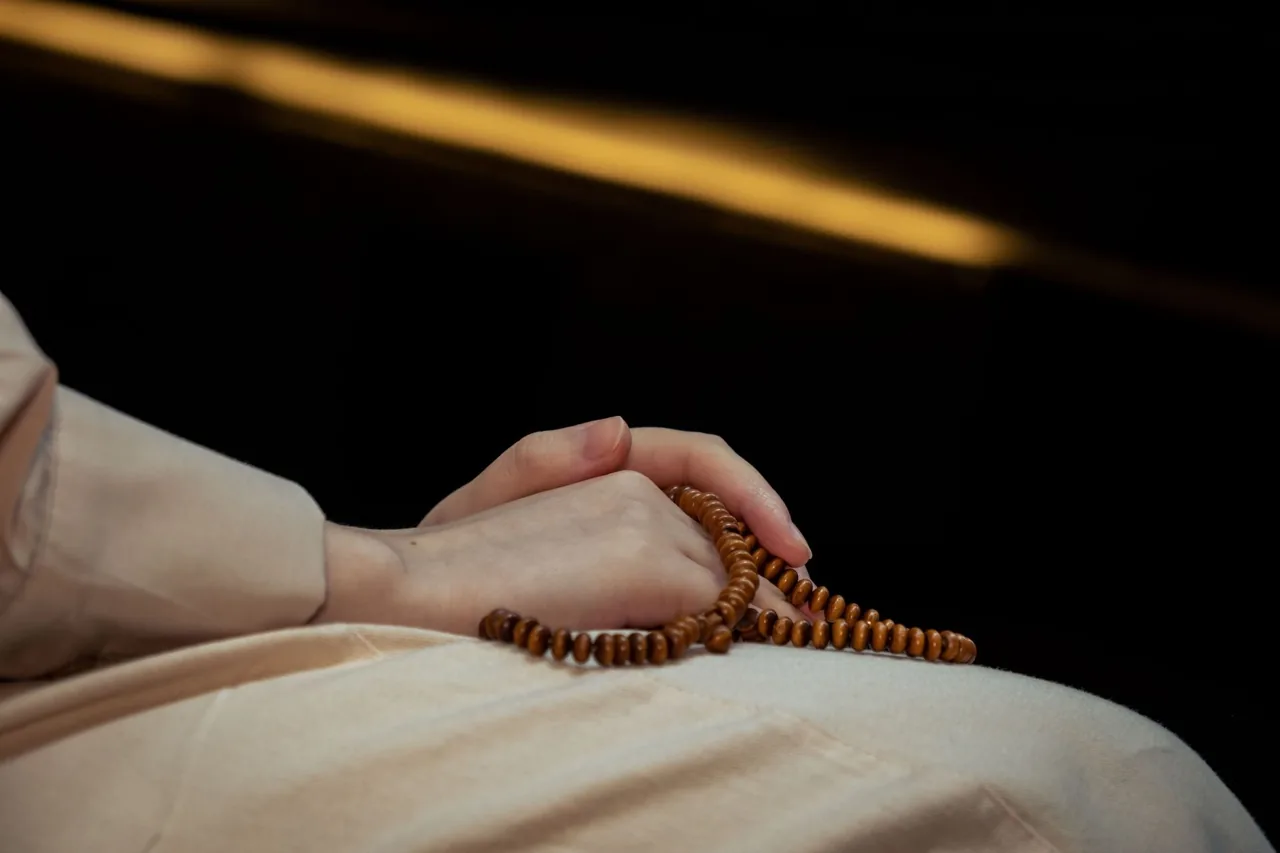
The same is true in mala practice, where the material of the beads is chosen for what the practitioner is working on rather than for when they were born. Amethyst for stilling the mind, rose quartz for compassion work, sandalwood for grounding, rudraksha for the traditional forms. A useful breakdown of choosing mala beads by stone is more practical than any birth month chart, because it starts from intention rather than from the calendar.
Whether one believes any of it is a separate question from whether the framework is coherent, and the mala tradition is considerably more coherent than the birthstone one.
What to do with all this
If you like the birthstone your month was assigned, wear it. It is a perfectly good reason to own a stone and there is no need to over-think it.
If you were assigned something you dislike, ignore it entirely. The list has been changed four times in a century by a trade body, and the notion that October owes you an opal is a twentieth-century commercial arrangement rather than a cosmic one.
And if the meaning is the point rather than the stone, pick by the tradition that actually thought about it. the International Gem Society has a level-headed history of how the modern list was assembled.
Ishara Wijesinghe · 17 April 2026