
Plate IX · Meaning & Use
The Stones People Actually Wear
There is a large gap between the stones that appear in books about gem meaning and the ones that turn up on wrists and necks, and the gap is instructive.
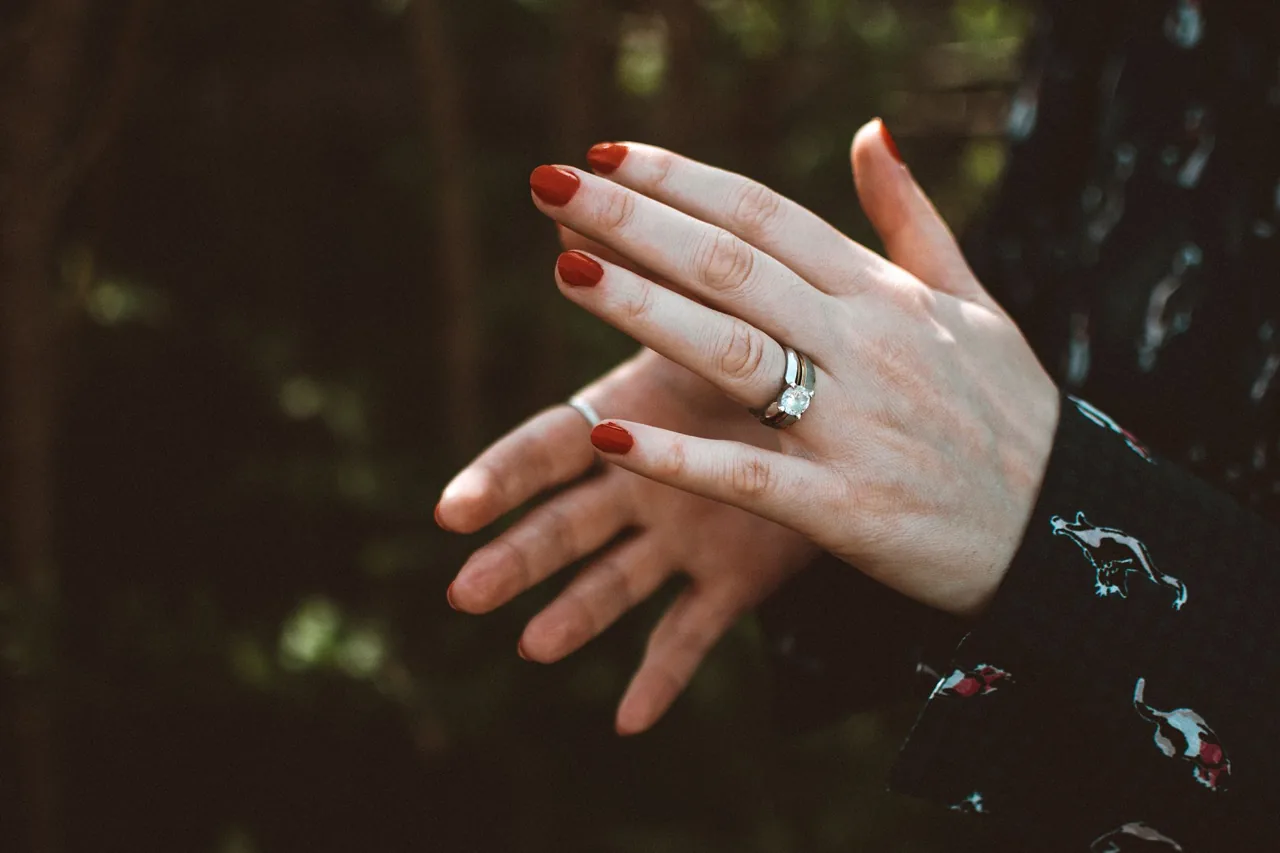
The working list is short
Spend any time around people who wear stones deliberately rather than decoratively and the same six or seven names recur: amethyst, rose quartz, clear quartz, black tourmaline, labradorite, moonstone and lapis. Occasionally carnelian, occasionally amazonite.
That is a remarkably narrow set given that the literature discusses hundreds. It is also, and this is the interesting part, almost exactly the set of attractive stones that are hard, affordable, available in quantity and easy to cut into beads.
Availability shapes the tradition more than the tradition shapes availability
The stones with the richest bodies of attached meaning are overwhelmingly the ones that were widely available in the places the traditions developed. Lapis in Afghanistan and Egypt. Jade in China and Mesoamerica. Amber on the Baltic. Turquoise in Persia and the American southwest.
Rarity produced prestige and prestige produced meaning, but only where the stone was present at all. Nobody built a folklore around benitoite, because there was never enough of it to build one with.
This is not a debunking. It is how all material culture works, and knowing it makes the traditions easier to take seriously rather than harder.
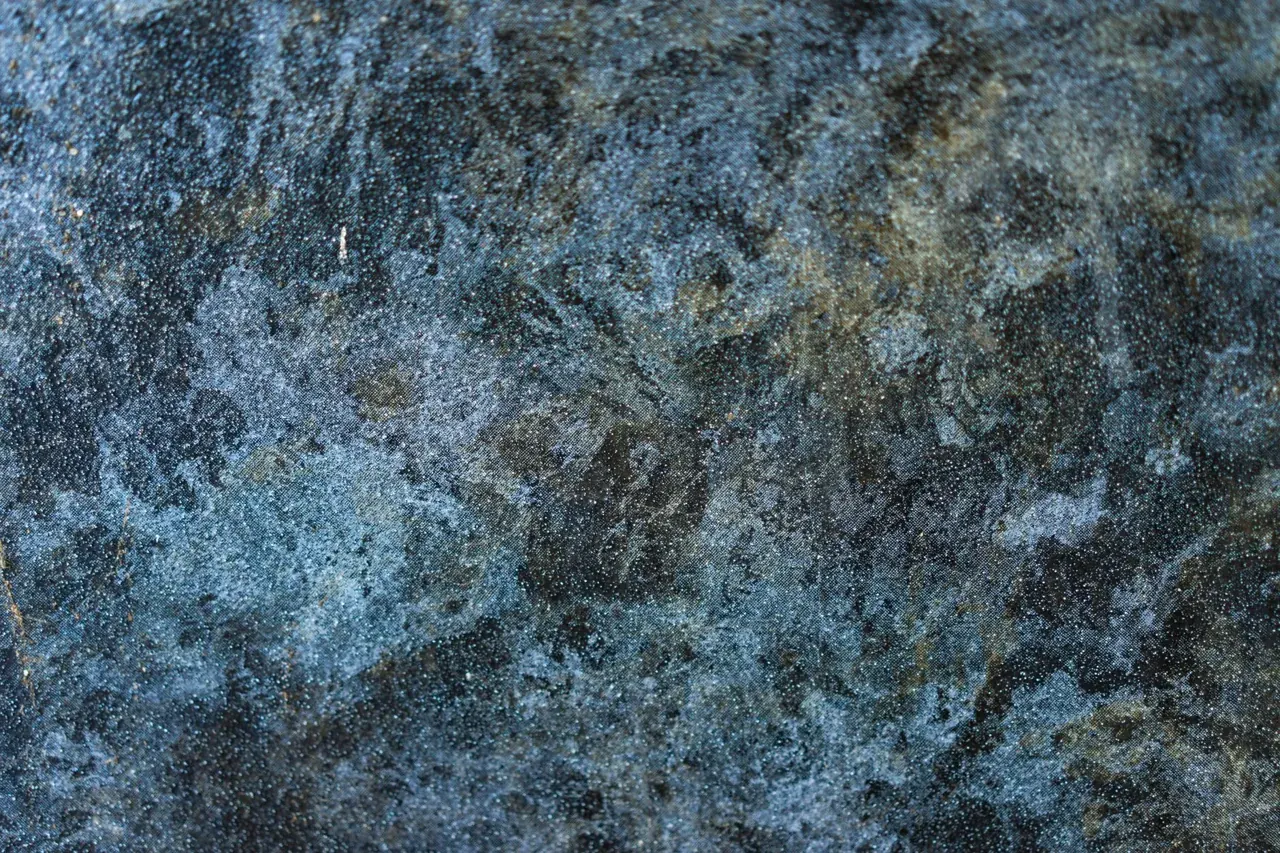
Hardness decides what survives contact with a life
The practical filter is the Mohs scale and how the stone behaves against skin, water and knocks. Anything below about six is a pendant or an earring rather than a ring, and anything below four is essentially a display object.
Amethyst and the other quartzes sit at seven, which is why they dominate. They take a good polish, they survive daily wear, they come in useful colours and there is enough of the material that a strand of beads costs less than a meal.
Selenite, celestite and calcite appear constantly in books and almost never on people, because they are soft enough to be scratched by a fingernail and several of them dissolve in water.
Wearing beads rather than a stone
A strand behaves differently from a set stone. The material is against skin all day, it takes body oils, and it is subject to the abrasion of the beads against each other rather than against the world.
That suits some materials and ruins others. Turquoise and amber absorb oils and change over years, which some people want and others do not expect. Quartzes are inert and stay as they were. Pearls dislike perfume and hairspray and will lose their lustre from it within a few years, quietly enough that nobody connects the cause.
Restring anything worn regularly every couple of years. Silk stretches, and a strand almost always breaks at the worst possible moment rather than in a drawer.
Ishara Wijesinghe · 1 May 2026