
Plate III · The Stones
Moonstone and the Shimmer Problem
The glow is caused by a flaw in the crystal, which is the sort of thing that ought to be better known than it is.
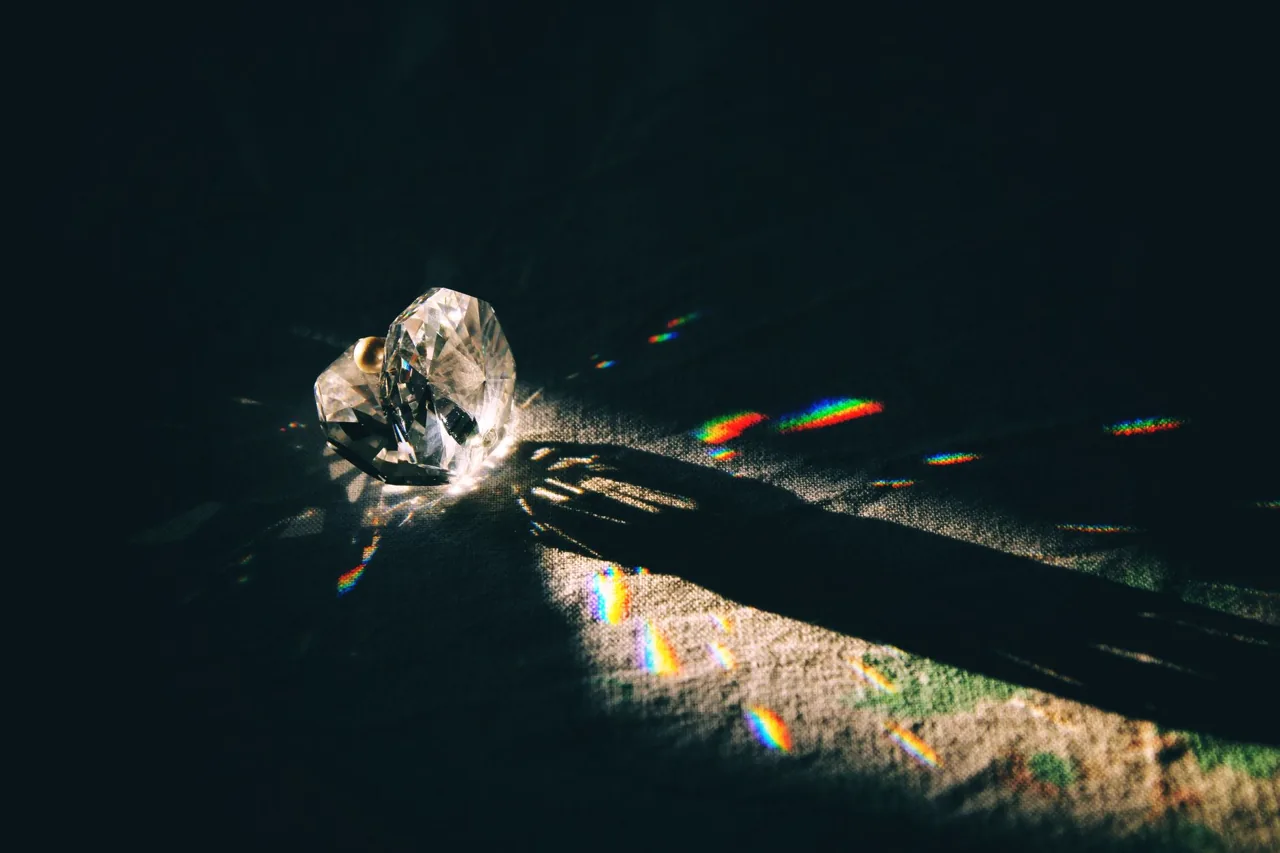
Adularescence is a defect
Moonstone is feldspar, and the blue-white light that floats across a good one is called adularescence. It happens because the stone is not one mineral but two, intergrown in microscopically thin alternating layers as the crystal cooled and separated.
Light entering the stone scatters off those layers. The layers are thinner than the wavelength of visible light, so the scattering is selective, and blue scatters more than red. It is the same physics that makes the sky blue, happening inside a stone.
A perfect, homogeneous feldspar crystal would be transparent and dull. The thing that makes moonstone worth anything is a failure of the crystal to stay single.
Why orientation is everything
Because the sheen comes off internal layers, it only appears when those layers are oriented correctly relative to the surface. A cutter who ignores the layering produces a grey pebble; a cutter who reads it produces a stone that lights up.
This is why moonstone is almost always cut as a cabochon, and why the dome is usually noticeably high. The curve gathers the sheen and rolls it across the surface as the stone moves. A flat cut kills it.
It is also why moonstone is one of the few materials where an expensive stone and a cheap stone can be the same rough. The difference is entirely in the orientation decision, which takes seconds and cannot be undone.
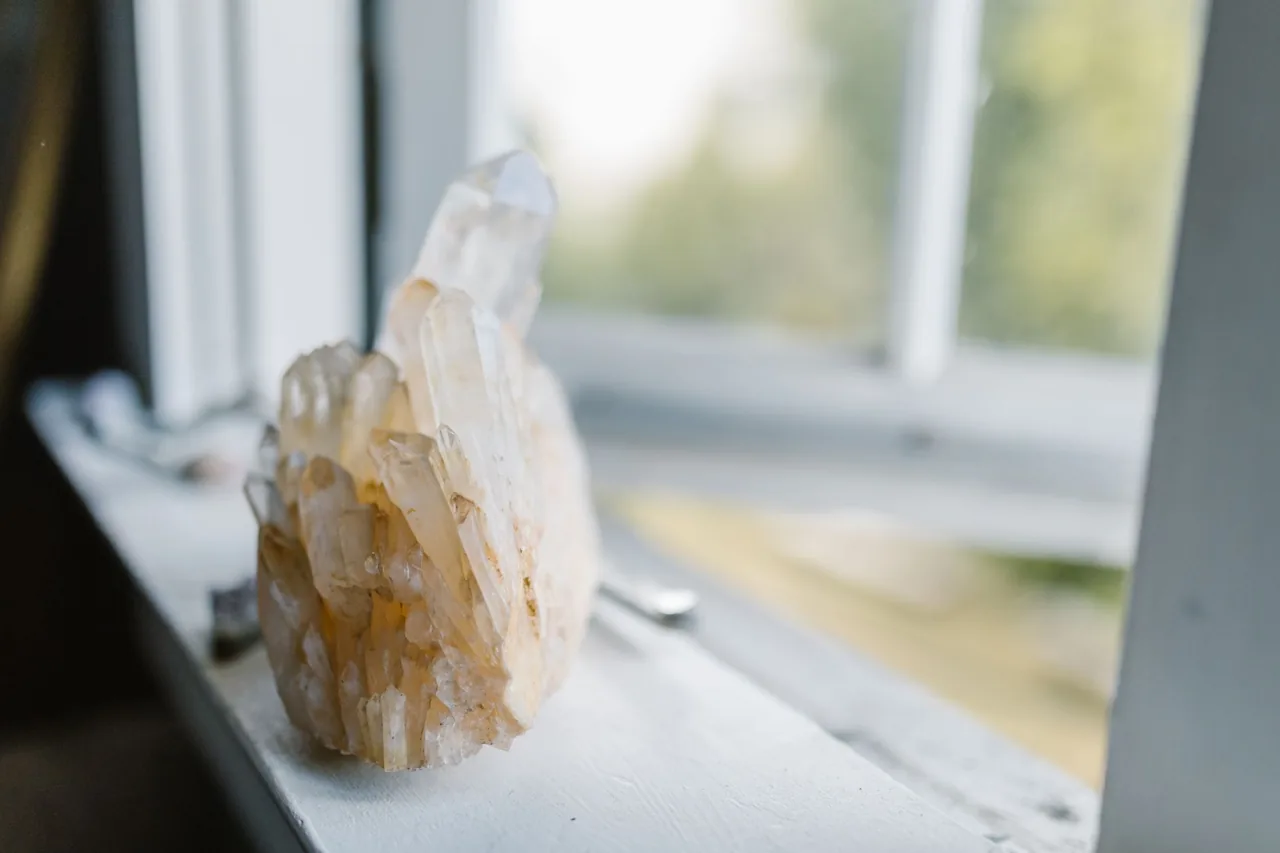
Rainbow, blue and the naming muddle
Blue moonstone, sometimes sold as blue sheen or Sri Lankan moonstone, shows a mobile blue light on a near-colourless body. It is the classic material and the finest of it comes from the island.
Rainbow moonstone is not, strictly, moonstone at all. It is labradorite, a different feldspar, showing multicoloured labradorescence. The trade name stuck because it sells, and it is now essentially impossible to dislodge.
Neither is dishonest exactly, but if you are buying on the strength of a name it is worth knowing which mineral you are actually holding.
Living with a soft stone
Moonstone sits around six on the Mohs scale and it has good cleavage, which means it can split along a plane if struck. A ring worn daily will show it within a year or two.
This is a stone for earrings, pendants and beads rather than knuckle duty. Strung as beads it is entirely practical, because nothing strikes it and the wear is against skin and thread rather than door frames.
Clean with warm water and a soft brush. Never an ultrasonic cleaner, which finds cleavage planes with impressive reliability.
Ishara Wijesinghe · 6 February 2026