
Plate VI · Cutting & Craft
Why Facets Exist at All
A faceted stone is an optical instrument built to send light back at the person looking at it, and the angles are not decorative.
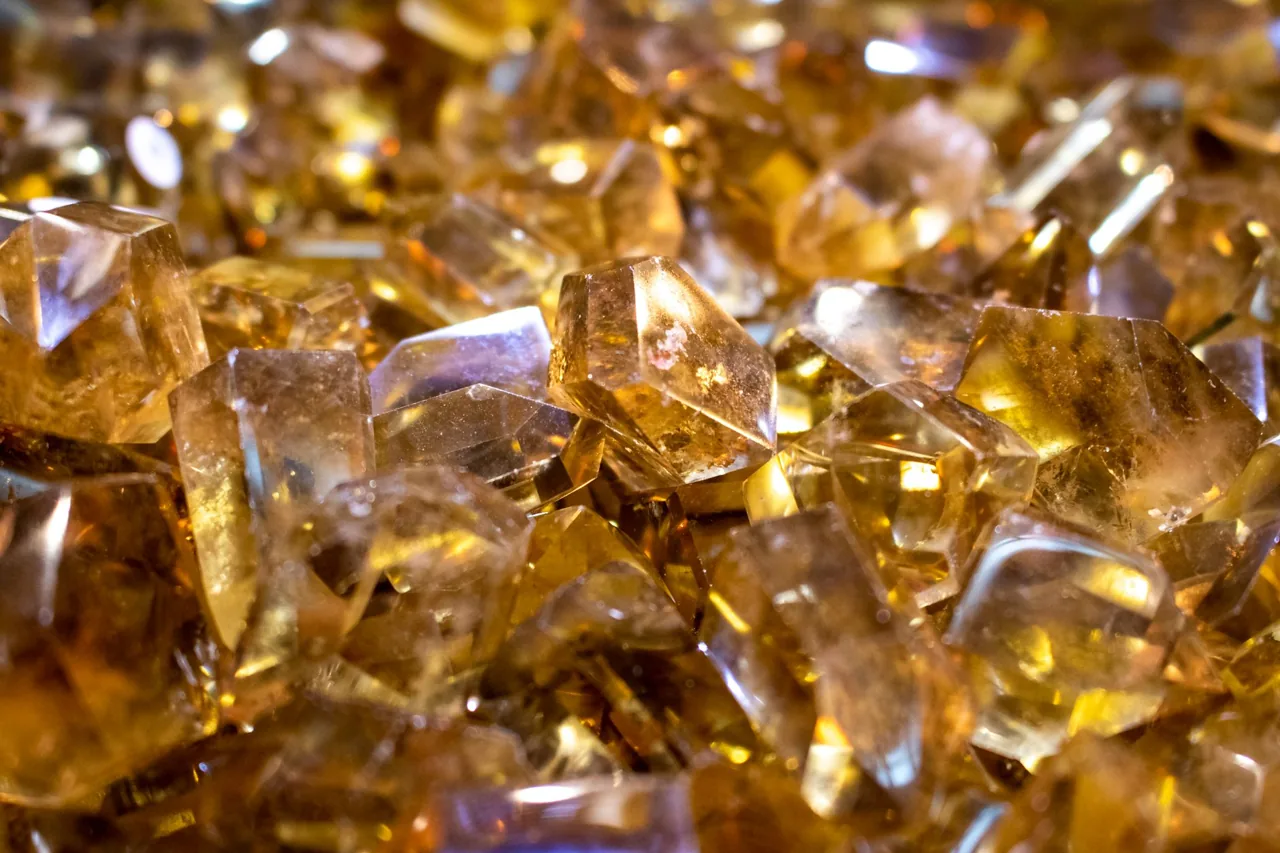
The whole thing is one physical effect
Light entering a transparent stone slows down and bends. If it strikes the inside of the back surface at a shallow enough angle it reflects rather than escaping, which is total internal reflection, and that reflected light comes back out of the top.
The angle at which this starts happening is the critical angle, and it depends entirely on the refractive index of the material. Diamond has a high index and a shallow critical angle, so it is forgiving to cut. Quartz has a low index and a steep one, so a quartz cut to diamond angles leaks light straight out of the back and looks glassy.
Which is why every material has its own angles
This is the part that separates a competent cutter from a machine. Each species has a pavilion angle range that works and a range that does not, and cutting outside it produces a window: a transparent patch in the middle of the stone where you can read print through it.
Windows are the most common fault in commercially cut coloured stone, and they exist for a straightforward commercial reason. Cutting to the correct angle often means cutting away more weight, and stones are sold by the carat.
So a great deal of the world's coloured gem material is deliberately cut badly, because a heavier dull stone is worth more per piece than a lighter bright one. Knowing this changes how you shop more than any amount of colour vocabulary.
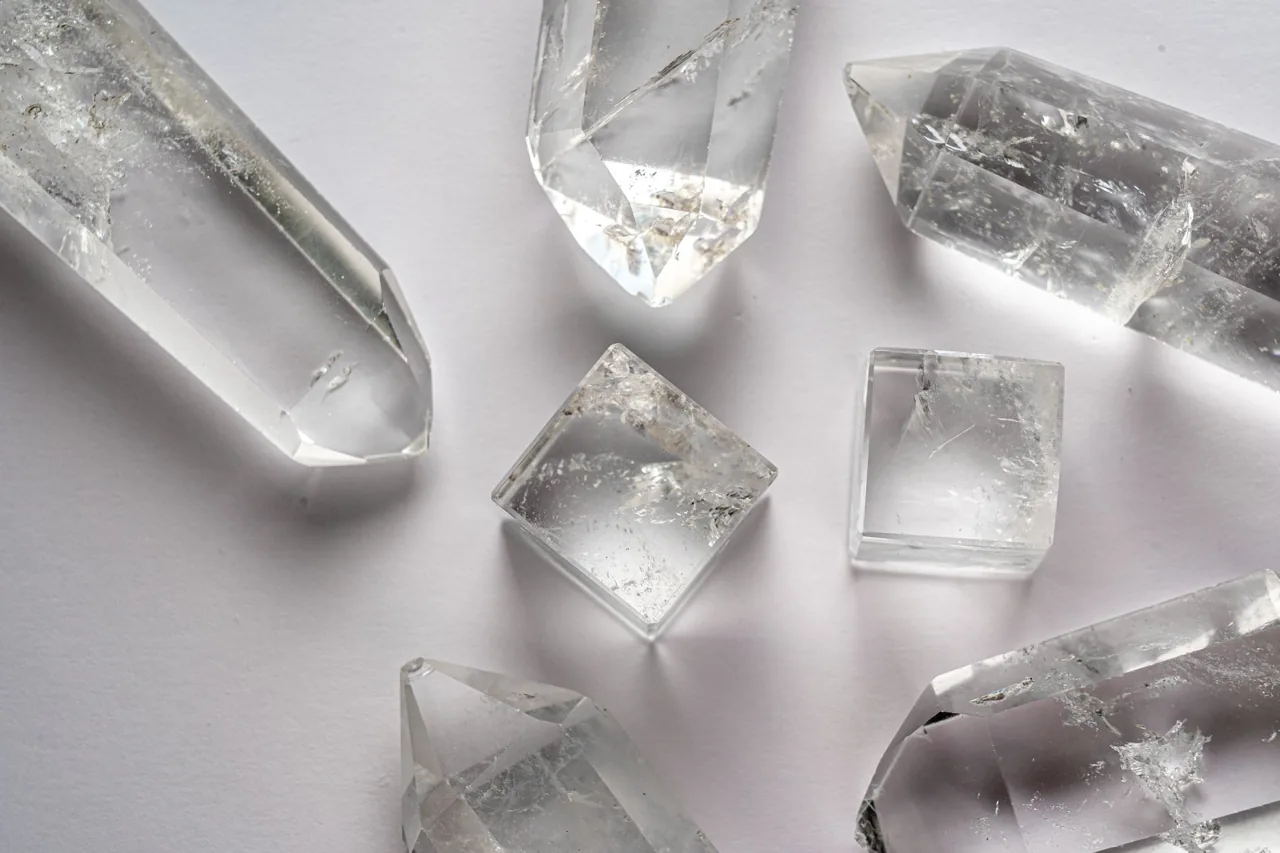
Brilliance, fire and scintillation are three different things
Brilliance is the total white light returned. Fire is dispersion, the splitting of that light into spectral colours, which depends on the material rather than the cut. Scintillation is the flashing as the stone or the viewer moves, which depends on the number and arrangement of facets.
Trade descriptions run these together constantly. A stone can be brilliant and have almost no fire, which describes most sapphire. A stone can have enormous fire and modest brilliance, which describes demantoid and sphene. Both are correct and they are not the same virtue.
How to look at a cut in ten seconds
Hold the stone at arm's length and rock it slowly. You are looking for even light return across the whole face. A dark centre means the pavilion is too shallow or too deep. A bright ring with a dead middle is a window.
Then look at the girdle from the side. A wavy or lumpy girdle is a stone cut fast, and fast usually means the angles were not respected either. It is a proxy signal and a reliable one.
None of this needs equipment, and it will tell you more than a grading report about whether the stone will look good on a hand.
Ishara Wijesinghe · 20 March 2026